
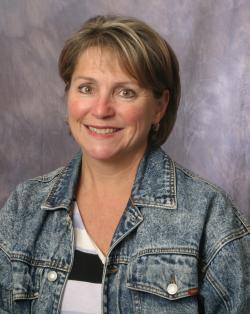
MaryAnn Devine is a premier 91看片网 University professor of Cultural Foundations of Education and Disabilities Studies. She's also an accessibility expert and one of only two U.S. evaluators on an elite UNESCO World Heritage Oversight sub-committee. Devine recently conducted a high-profile assessment of Mont-Saint-Michel to improve inclusion while strictly preserving its historic integrity. Serving her second four-year term on this global body, Devine regularly evaluates iconic world sites by analyzing their physical geography, ancient structures, and multimedia materials to compile strategic recommendations for accessibility.
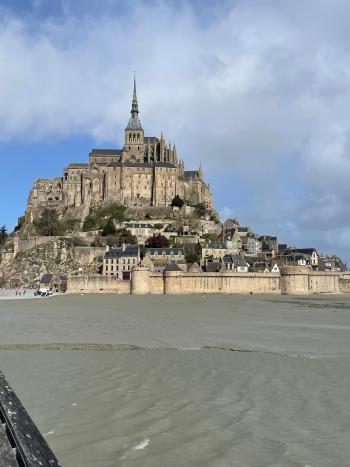
I arrived at Mont-Saint-Michel just early in the morning; the tide still pulled back far enough to reveal the long stretch of sand that surrounds the island. A long causeway connects the parking area to the mount. Even before I stepped onto the causeway, I could feel the disconnect between the site鈥檚 medieval beauty and the modern expectations of accessibility. My goal that day was simple: to understand, from the ground up, how a visitor with mobility, sensory, or cognitive needs might experience this extraordinary place.
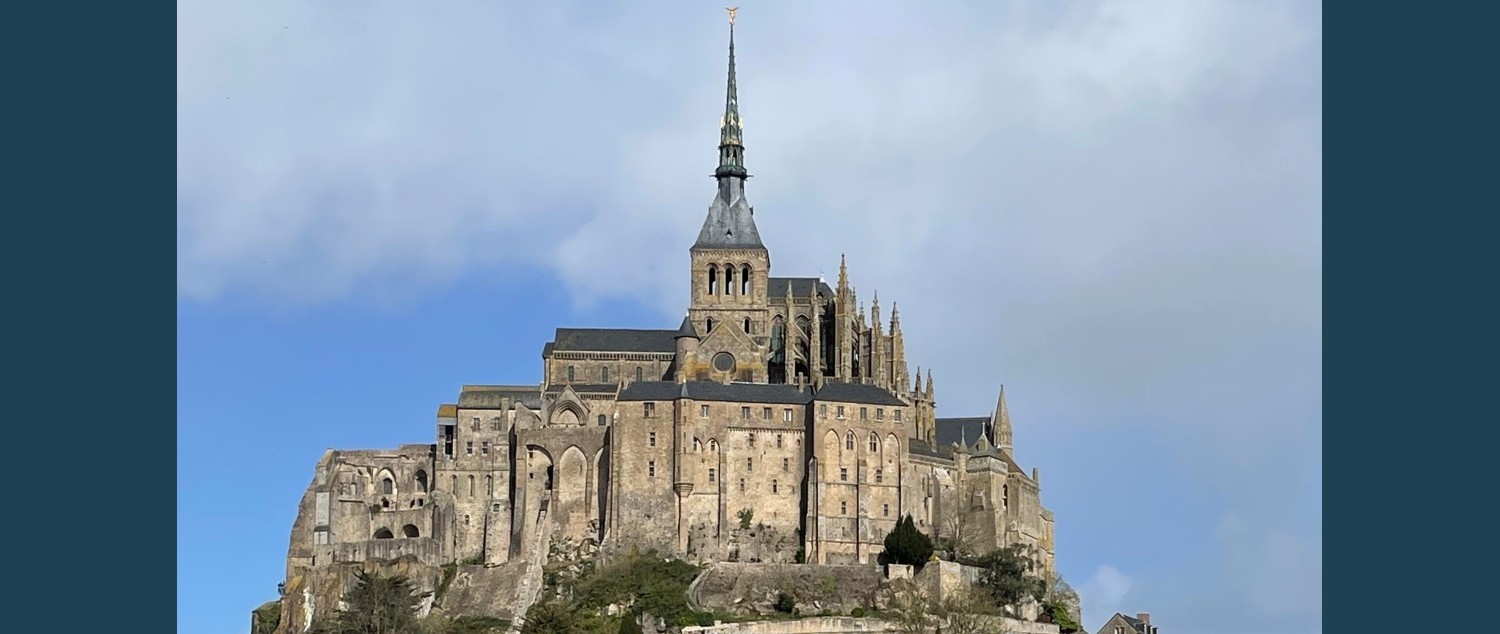
Mont-Saint Michel is a medieval monastery perched on an island off the west coast of Normandy, France. Since 708 AD, it has been a symbol of resistance and sacred reverence as a monastery, prison, and military fortress. The monastery is located at the top of the mount and at the base is a small village inhabited by approximately 25 people. I had the great fortune to evaluate this magnificent island and mount as an accessibility assessor for UNESCO. My mission: to examine the accessibility of this global treasure from entry, through the small village, the monastery and church, to the outdoor and open areas. I also examined written, audio, and visual materials available to visitors.
Entering the Island
The causeway is the initial entry point that serves as a long stretch of boardwalk. Although smooth and fully accessible for wheelchair users, it鈥檚 length might be difficult for people with stamina or respitory issues. Passing through the main gate, the reality of the site鈥檚 age became very apparent. The village鈥檚 narrow streets rose steeply and are paved with uneven cobblestones.
As I walked, I knew someone using a wheelchair, or with other mobility issues, might struggle with the constant changes in elevation and pavement surface. Additionally, while I was visiting during the off season, there were large crowds of visitors and school children at the site. These crowds could be an accessibility issue not only for people with mobility impairments but also for those with sensory issues when navigating through large groups of people.

The Grand Staircase
One of the most spectacular areas of Mont-Saint Michel is the grand staircase that leads from the village to the abbey. The central challenge of all of Mont-Saint-Michel is the climb, particularly at the Grand Staircase. Albeit beautiful, iconic, and unforgivingly steep, it dominates the route to the abbey. I paused at the base, taking in the height and irregular steps. From an accessibility standpoint, this staircase is a barrier that cannot be altered without compromising the historic nature of the site. I documented the lack of handrails in certain sections, the absence of resting platforms, and the unevenness of the steps in height. While visitors with visual, hearing, and cognitive disabilities may not have an issue ascending the stairs, they are not usable for people with any type of mobility impairment.
Sensory & Cognitive Considerations
As I navigated through the entire location, I paid attention to sensory cues and available information about the site. The crowds were dense, the passageways tight, and the acoustics surprisingly loud, especially in the abbey and chapel. For visitors with sensory sensitivities, this environment could quickly become overwhelming. Signage is limited to written format only and often placed at heights that make it easy to miss. The visitor鈥檚 center offers an audio tour and there are multiple tour operators who can guide visitors through the site, both of which could be helpful for visitors with visual and cognitive impairments. No guided option was available for visitors with hearing impairments.
Inside the Abbey
Reaching the abbey was amazing as visitors can get a 360-degree view of the sea and area surrounding the Mont from the cloister. A beautiful courtyard is at the center of the cloister, and arched openings allow visitors to gaze at the surrounding sea. However, even here accessibility varies. Some interior rooms are spacious and easy to navigate, while others require stepping over uneven thresholds or maneuvering through narrow doorways. Lighting is natural but inconsistent given small windows and narrow doorways. I noted how this could affect visitors with low vision, especially in areas where the stone floors blend visually with the walls.

The Surrounding Village and Outdoor Spaces
One of the most unique aspects of Mont-Saint-Michel is the tidal environment. The tidal changes make the surrounding area of Mont-Saint-Michel spectacular to see. The surrounding terrain, outdoor stairs, passageways, and paths present navigational challenges. Viewing platforms along the outer walls offer stunning panoramas, but many require navigating steep ramps, thresholds, or uneven paths.
Final Reflections
By the end of the day, I found myself heavily weighing the trade-off between preserving the site鈥檚 historical and cultural authenticity and improving accessibility for visitors with disabilities who would gain as much as I did during my visit. I had hundreds of observations, notes, and recommendations of ways to improve accessibility mostly involving the use of technology (e.g. drones, robotics, laser scanning).
Mont-Saint-Michel is a masterpiece of human history and culture, but its medieval design inherently limits universal accessibility. Still, there are meaningful opportunities: improved signage, designated quiet zones, more frequent resting points, and expanded virtual access for visitors who cannot make the climb that would open this experience to all visitors.